How to Make the Transition to Assisted Living Easier
Business Name: BeeHive Homes of Santa Fe NM
Address: 3838 Thomas Rd, Santa Fe, NM 87507
Phone: (505) 591-7021
BeeHive Homes of Santa Fe NM
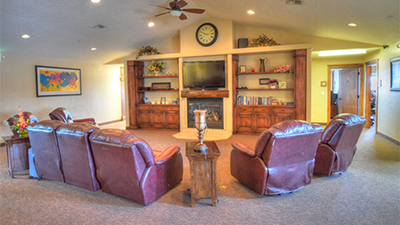
BeeHive Homes of Santa Fe NM is a premier Santa Fe Assisted Living facilities and the perfect transition from an independent living facility or environment. Our Alzheimer care in Santa Fe, NM is designed to be smaller to create a more intimate atmosphere and to provide a family feel while our residents experience exceptional quality care. We promote memory care assisted living with caregivers who are here to help. Memory care assisted living is one of the most specialized types of senior living facilities you'll find. Dementia care assisted living in Santa Fe NM offers catered memory care services, attention and medication management, often in a secure dementia assisted living in Santa Fe or nursing home setting.
3838 Thomas Rd, Santa Fe, NM 87507
Business Hours
Moving right into assisted living is hardly ever just a real estate choice. It is a change in regular, identity, assistance, and, for lots of family members, a long stretch of fear lastly taking a visible kind. I have seen families invest months circling the same questions: Is this ahead of time? Are we giving up too much self-reliance? Will Mom feel deserted? Will Dad actually approve aid? Those questions are regular, and they belong to why the change can really feel larger than it should.
A smoother relocation normally does not come from one ideal conversation or one efficient moving day. It comes from a collection of smaller, thoughtful choices made before the move, during the first week, and in the months that adhere to. The family members who handle it finest tend to do three things well. They intend early, they keep the older grown-up included as high as feasible, and they treat modification as a process rather than a single event.
Start with the actual factor for the move
The shift ends up being much easier when everybody agrees on the actual issue being solved. Sometimes the problem is falls. In some cases it is missed out on medications, isolation, inadequate nutrition, or a partner that can no more handle caregiving alone. Sometimes it is every one of the above, however no person has claimed it plainly.
When families only talk in unclear terms, the move can seem like a punishment. When they name the reason clearly, assisted living begins to resemble what it actually is for many people: a more secure, extra lasting way to maintain quality of life. That difference matters. An older adult who has actually been isolated after a hospitalization might not hear "assisted living" the same way they hear "you can still have your own room, your very own furniture, and daily help when you need it." The framing alters the psychological weight.
This is additionally where practical assumptions aid. Assisted living is not the same as independent living, and it is not the like a nursing home. It beings in the center, using assist with everyday tasks such as bathing, dressing, meals, drug pointers, and transport, while still providing residents space to maintain their own rhythms. Families who understand that distinction have a tendency to select more with confidence and resolve in faster as soon as the move happens.
Involve the older adult early, even if the conversation is uncomfortable
One of one of the most usual blunders I see is waiting up until every little thing is determined before bringing the older adult into the process. That usually comes from a wish to "protect" them from anxiety. In method, it typically increases tension due to the fact that the step really feels enforced rather than chosen.
Even when someone's health is plainly decreasing, there are still choices that matter. They can help decide what to bring, just how the home needs to be prepared, what clothes need to hang closest to the bed, and which routines are essential to protect. Those details are not trivial. They are signals of respect.
A female I once dealt with raged concerning moving initially, yet her mood moved when her family asked her to choose between two dining room chairs she enjoyed and let her determine where her favorite light would go. That may appear small. It was not. It gave her a sense that she was moving right into a brand-new home, not being put right into somebody else's system.
If the person is immune, it aids to stay clear of abstract debates. "You require even more help" can activate defensiveness. "I desire you to be someplace with dishes, housekeeping, and individuals around if you require anything" is simpler to hear. So is "Let's check out a couple of neighborhoods together and see which one feels most comfy." Also if somebody hesitates, engagement lowers the feeling of being brushed up along.
Choose the ideal community for the person, not just the brochure
Families frequently begin with on-line pictures, scores, or a look for "assisted living near me," then narrow points down based upon place and availability. That is a sensible start, but it must not be the end of the procedure. 2 areas can look similar theoretically and really feel very various in everyday life.
The ideal fit depends upon greater than square footage or a checklist of facilities. Take notice of exactly how staff talk to homeowners. Notice whether individuals seem rushed, whether citizens look engaged, and whether meals feel calm or disorderly. When possible, visit at different times of day. A neighborhood can feel brightened at 10 a.m. And completely different at dinner.
Location matters also, particularly if family members visits will become part of the change. Some households search for "senior care near me" due to the fact that they want to be close sufficient for a brief drive after work or on weekends. That impulse is practical. Regular visits throughout the initial few weeks can make the change a lot easier. Still, proximity ought to not be the only variable. A somewhat further community that has much better staffing consistency, a warmer society, or a stronger activity program may be the better lasting choice.
Ask straight questions about regimens, staff turnover, medication support, and exactly how they take care of homeowners who fear during the adjustment duration. Neighborhoods vary extensively in exactly how they invite new locals. Some are purposeful and client. Others think people will accustom on their own. The first method generally leads to a smoother move.
Treat the initial 1 month as a settling-in duration, not a test
Many families expect the move to be mentally neat after packages are unpacked. Actually, the very first month is commonly irregular. Appetite might be off. Sleep may change. A resident that appeared fine on day 2 might weep on day five. An additional may state they dislike it, after that join a card video game the following afternoon. None of that is unusual.
It assists to think in regards to adjustment, not success or failing. The objective in the very first thirty day is not to make whatever feel best. The goal is to build enough experience that the room begins to feel less foreign.
That suggests maintaining a few routines undamaged. If someone has coffee prior to breakfast in the house, see whether that can continue. If they always see the evening news at a certain time, bring the very same timetable right into the new setup if possible. Acquainted practices anchor people when whatever else has changed.
Families often panic when a parent reveals nostalgia in the very first week and analyze it as an indication the move was incorrect. Typically it indicates the action is psychologically actual. That is a tough distinction, yet an essential one. Pain is not constantly a verdict. It may simply be the expense of BeeHive Homes of Santa Fe NM respite care change.
Pack for comfort, not simply for practicality
It is very easy to overfocus on documentation and underestimate the emotional power of things. A space can be completely practical and still feel barren if it does not have the things that tell the resident, "This is mine." That is why the move-in process ought to prioritize comfort as long as logistics.
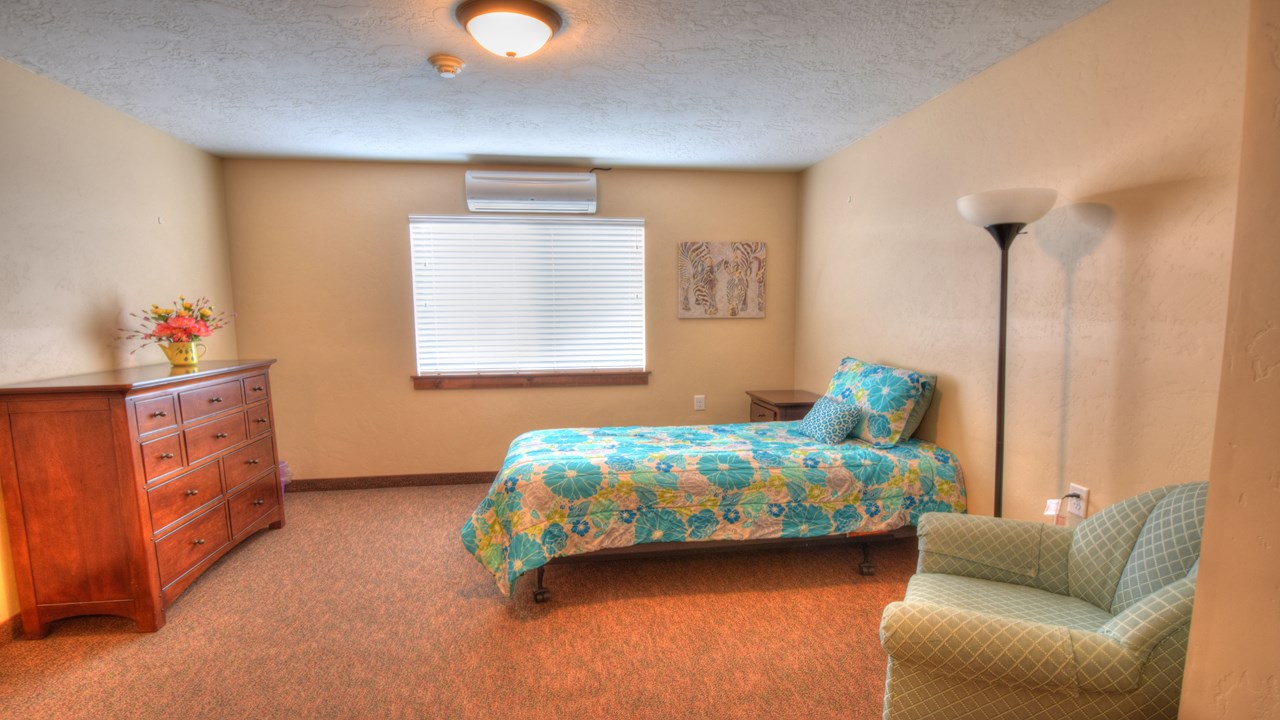
Bring the items that bring emotional weight. A preferred covering. Household images. A reading lamp. A familiar chair if the area permits it. The objective is not to recreate the old residence exactly. That can overwhelm a smaller apartment and turn the area into a storage space trouble. The goal is to preserve adequate continuity that the space feels recognizable.
I have watched residents resolve much quicker when a little girl hangs the very same patchwork over the bed or when a child places his father's books in the exact order he chooses. Those information matter because they minimize the feeling of being displaced.
Practicality still counts. Label garments plainly. Maintain medications organized. Make certain glasses, listening to help, and movement aids are easy to discover. Bring a short list of emergency get in touches with and physicians. If the senior makes use of a walker or walking cane, make certain the course via the apartment is clean from the first day. Small barriers end up being major hazards when somebody is still discovering a brand-new layout.
Use respite care if the step is taking place after a crisis
Sometimes assisted living is arranged after an abrupt hospitalization, a loss, or a caregiver fatigue point. In those situations, the family might not have the deluxe of a long, leisurely change. That is when respite care can be particularly useful.
Short-term respite care provides everyone a possibility to check regimens before making an irreversible choice. It can additionally lower the shock of a full relocation. A brief keep allows the older grownup to learn the eating timetable, fulfill staff, and get a feeling for the community without the stress of "this is forever" hanging over every interaction.
This can be a smart alternative when there is uncertainty concerning timing. If the senior is recouping however not prepared to live completely independently, respite care can connect the void. It additionally gives grown-up children time to see how much support is in fact required. Several households uncover that what looked manageable for a weekend comes to be far more complicated over a month. That sort of info is valuable prior to making a final move.
Communicate with team like you are developing a partnership
A smoother shift frequently relies on just how well the family connects with the assisted living group. Team can do a better job when they recognize a resident's behaviors, choices, causes, and routines. They are incline viewers, and small information make a huge difference.
If your parent disapproval being rushed in the early morning, say so. If they are difficult of hearing on the left side, state it. If they get nervous when a lot of individuals enter the room simultaneously, that issues. Excellent senior care is not just concerning jobs. It has to do with observing just how an individual experiences those tasks.

It also helps to recognize one family members get in touch with that can interact plainly and consistently with the community. A lot of spread messages can develop confusion, especially if different relatives have various point of views about care. A designated get in touch with does not suggest other member of the family are omitted. It merely offers personnel a reputable point person.
When issues emerge, resolve them early and especially. "Mom seems dismayed" is a beginning point, not a full record. "She is skipping lunch and states she really feels lost after supper" is much more beneficial. The even more concrete the details, the easier it is for personnel to respond well.
Expect feelings to relocate waves
Even when the action goes well, there may be sense of guilt, sorrow, alleviation, and appreciation all blended with each other. Families are frequently surprised by their very own emotions. Grown-up youngsters may feel guilty for feeling relieved. Older adults may feel humiliated to need aid, then relieved when they realize they no more have to take care of every task alone.
These combined feelings are typical. They normally indicate the household is focusing, not that they have actually made the incorrect choice.
The resident might also grieve the old home in ways that do disappoint up in the very first couple of days. A scent, a track, or a small vacation practice can set off unhappiness later. It deserves making room for that. Do not hurry to fix every hard sensation with reassurance. Occasionally the best reaction is just to recognize the loss while indicating what remains intact: household link, autonomy in daily selections, and the possibility of a steadier routine.
That emotional sincerity is just one of one of the most practical points a household can use. It keeps the step from ending up being a forced happiness workout, which often backfires.
Keep visits regular, yet not overwhelming
Family presence assists, especially in the onset, yet there is a balance to strike. Too couple of visits can make the resident feeling deserted. Too many, especially if they are unforeseeable or overly emotional, can stop the resident from clearing up into the community.
A useful rhythm is to visit typically sufficient that the person really feels sustained, while still providing room to find out team names, sign up with activities, and establish their very own routine. Quick, predictable visits can be much better than long, intense ones. A 45-minute visit after lunch may do more great than a three-hour visit that interferes with supper and leaves everybody drained.
It is additionally worth noticing just how visits affect the resident after the household leaves. Some older adults come to be more nervous if visits are long term or if member of the family consistently express uncertainty about the move. Others require a few extra check-ins at the beginning and then gradually need less. Good judgment issues right here. The correct amount of call is the amount that sustains adjustment, not the quantity that reduces family guilt.
Watch for indicators that the transition requires more support
Most people readjust gradually, however some need extra assistance. Relentless refusal to consume, worsening confusion, duplicated statements of hopelessness, or full withdrawal from social interaction can signify that even more assistance is required. So can adjustments in sleep, hygiene, or wheelchair that do not clear up after the very first couple of weeks.
This does not immediately imply the relocation stopped working. It may imply the resident requires a different level of care, even more time, or a more willful care plan. Sometimes a doctor needs to evaluate medicines. In some cases the community needs to readjust the day-to-day regimen. Occasionally the family needs to rework assumptions since the action occurred throughout a specifically prone health period.
The point is to observe patterns instead of thinking pain will constantly arrange itself out. Psychological resistance and scientific decline can look similar externally, however they ask for different responses.
Make the brand-new life feel like a life, not a waiting room
The finest transitions happen when assisted living begins to really feel much less like an area the individual has actually been sent out and even more like a location where life can proceed. That shift seldom happens through services alone. It originates from rhythm, knowledge, partnerships, and small choices.
Encourage the resident to individualize their area, find out the names of team member, and try activities that match their personality. Not everybody desires team bingo, and that is fine. Some people favor reading, puzzle work, gardening, or a silent walk. The objective is participation that really feels genuine, not forced.
Families can aid by asking various concerns. Rather than "Are you alright?" every time, try "What was excellent about today?" or "Who did you rest with at lunch?" Those concerns are most likely to welcome actual discussion and help the individual notification moments of connection.
If the area supplies transportation, trips, or get-togethers, use them uniquely. Overloading a novice with activity can be just as unhelpful as under-involving them. A thoughtful pace provides the resident area to build confidence.
An action right into senior living does not remove a person's background or practices. It just transforms the setting in which those points unfold. The smoother transitions are the ones where everyone bears in mind that. Assisted living jobs best when it shields self-respect as high as safety, and when the step is taken care of with persistence, practical planning, and a desire to change as required. That is typically what households are truly trying to find when they look for assisted living near me or senior care near me. They are not simply searching for a building. They are looking for a place where the next chapter can begin with much less pressure and more steadiness.
BeeHive Homes of Santa Fe NM provides assisted living care
BeeHive Homes of Santa Fe NM provides memory care services
BeeHive Homes of Santa Fe NM provides respite care services
BeeHive Homes of Santa Fe NM supports assistance with bathing and grooming
BeeHive Homes of Santa Fe NM offers private bedrooms with private bathrooms
BeeHive Homes of Santa Fe NM provides medication monitoring and documentation
BeeHive Homes of Santa Fe NM serves dietitian-approved meals
BeeHive Homes of Santa Fe NM provides housekeeping services
BeeHive Homes of Santa Fe NM provides laundry services
BeeHive Homes of Santa Fe NM offers community dining and social engagement activities
BeeHive Homes of Santa Fe NM features life enrichment activities
BeeHive Homes of Santa Fe NM supports personal care assistance during meals and daily routines
BeeHive Homes of Santa Fe NM promotes frequent physical and mental exercise opportunities
BeeHive Homes of Santa Fe NM provides a home-like residential environment
BeeHive Homes of Santa Fe NM creates customized care plans as residents’ needs change
BeeHive Homes of Santa Fe NM assesses individual resident care needs
BeeHive Homes of Santa Fe NM accepts private pay and long-term care insurance
BeeHive Homes of Santa Fe NM assists qualified veterans with Aid and Attendance benefits
BeeHive Homes of Santa Fe NM encourages meaningful resident-to-staff relationships
BeeHive Homes of Santa Fe NM delivers compassionate, attentive senior care focused on dignity and comfort
BeeHive Homes of Santa Fe NM has a phone number of (505) 591-7021
BeeHive Homes of Santa Fe NM has an address of 3838 Thomas Rd, Santa Fe, NM 87507
BeeHive Homes of Santa Fe NM has a website https://beehivehomes.com/locations/santa-fe/
BeeHive Homes of Santa Fe NM has Google Maps listing https://maps.app.goo.gl/fzApm6ojmRryQMu76
BeeHive Homes of Santa Fe NM has Facebook page https://www.facebook.com/BeeHiveSantaFe
BeeHive Homes of Santa Fe NM has a YouTube channel at https://www.youtube.com/@WelcomeHomeBeeHiveHomes
BeeHive Homes of Santa Fe NM won Top Assisted Living Homes 2025
BeeHive Homes of Santa Fe NM earned Best Customer Service Award 2024
BeeHive Homes of Santa Fe NM placed 1st for Senior Living Communities 2025
People Also Ask about BeeHive Homes of Santa Fe NM
What is BeeHive Homes of Santa Fe NM Living monthly room rate?
The rate depends on the level of care that is needed. We do a pre-admission evaluation for each resident to determine the level of care needed. The monthly rate is based on this evaluation. There are no hidden costs or fees
Can residents stay in BeeHive Homes of Santa Fe NM until the end of their life?
Usually yes. There are exceptions, such as when there are safety issues with the resident, or they need 24 hour skilled nursing services
Does BeeHive Homes of Santa Fe NM have a nurse on staff?
No, but each BeeHive Home has a consulting Nurse available 24 – 7. if nursing services are needed, a doctor can order home health to come into the home
What are BeeHive Homes of Santa Fe NM visiting hours?
Visiting hours are adjusted to accommodate the families and the resident’s needs… just not too early or too late
Do we have couple’s rooms available?
Yes, each home has rooms designed to accommodate couples. Please ask about the availability of these rooms
Where is BeeHive Homes of Santa Fe NM located?
BeeHive Homes of Santa Fe NM is conveniently located at 3838 Thomas Rd, Santa Fe, NM 87507. You can easily find directions on Google Maps or call at (505) 591-7021 Monday through Sunday 9:00am to 5:00pm
How can I contact BeeHive Homes of Santa Fe NM?
You can contact BeeHive Homes of Santa Fe NM by phone at: (505) 591-7021, visit their website at https://beehivehomes.com/locations/santa-fe, or connect on social media via Facebook or YouTube
Conveniently located near Beehive Homes of Santa Fe the Regal Santa Fe Place a great movie theater with full food & drink menu. Catch a movie and enjoy some great food while you wait.